This accessible web edition summarizes the paper and restores its equations, figure captions, and table structure. Consult the source PDF for the complete author manuscript and its original context.
Abstract
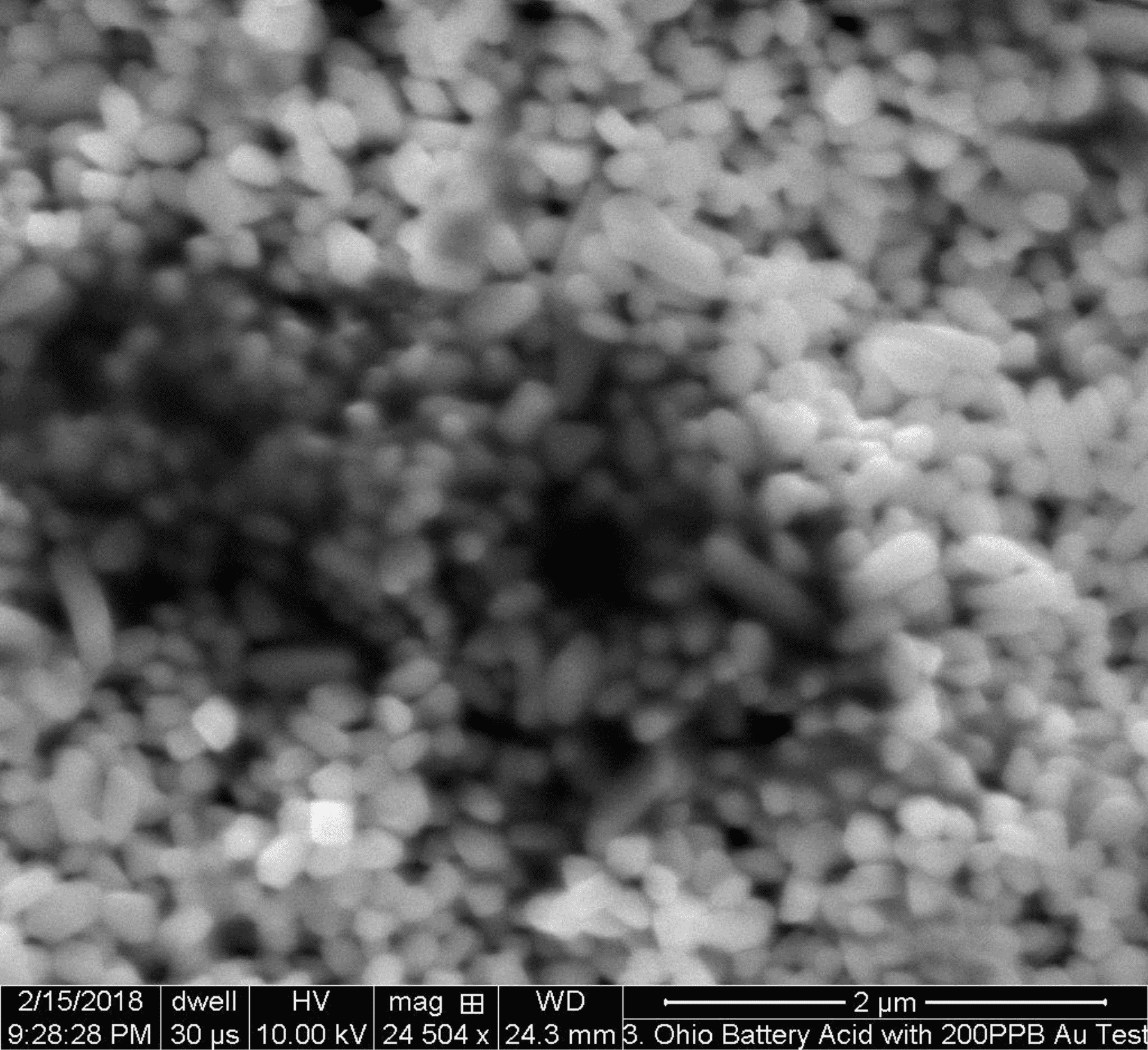
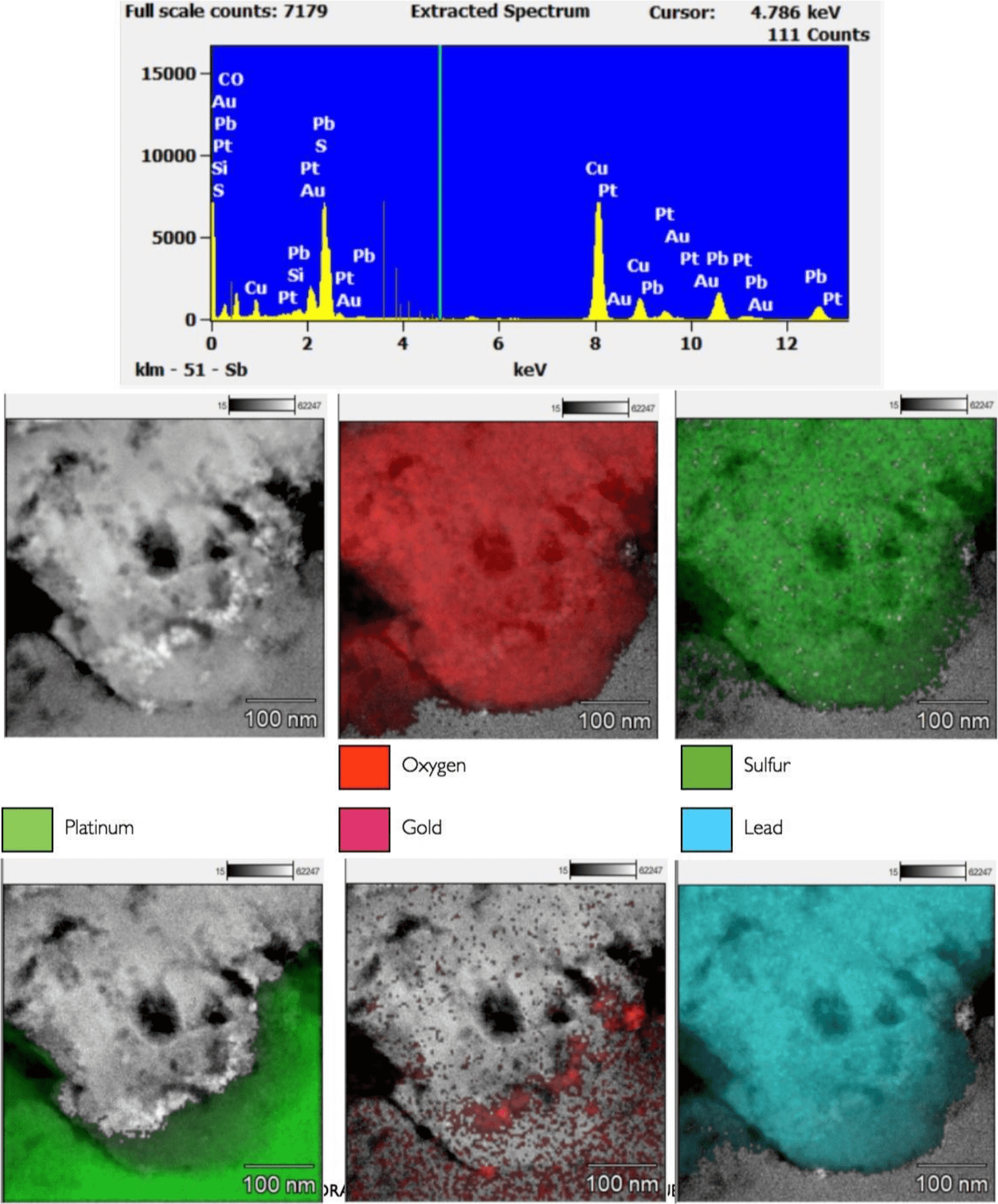
The paper examines whether uniform, sub-10 nm gold particles can provide nucleation sites for electroactive lead sulfate species in lead-acid batteries. The authors report that particle seeding increased the number of crystals formed, reduced their final size, and changed the measured electrochemical response. Focused-ion-beam sectioning, STEM/EDS mapping, and electrochemical impedance spectroscopy were used to examine where the gold particles appeared and how the electroactive layer behaved.
Reported study findings
- A 1 mg/L dispersion of 2-10 nm gold particles produced more numerous, smaller lead sulfate crystals under the tested conditions.
- STEM/EDS mapping located gold particles within the electroactive crystal layer rather than only on the electrode surface.
- The Warburg-model effective capacitance was reported as 700% greater after five hours for the gold-particle condition than for the control.
- The paper proposes nanoparticle seeding as a way to reduce or delay the PCL1 antimony-free failure mechanism; it does not report a full commercial battery-life study.
1. Study context
Gold particles were produced through the Attostat laser-ablation method. The reported particles were spherical, narrowly distributed in size, and did not require a surfactant to remain dispersed. The authors estimated particle population from gold mass concentration and a face-centered cubic model. On that basis, a 1 mg/L dispersion of nominal 10 nm particles contains approximately 1.45 × 10¹⁵ particles per liter, providing a large number of potential nucleation sites from a small total mass of gold.
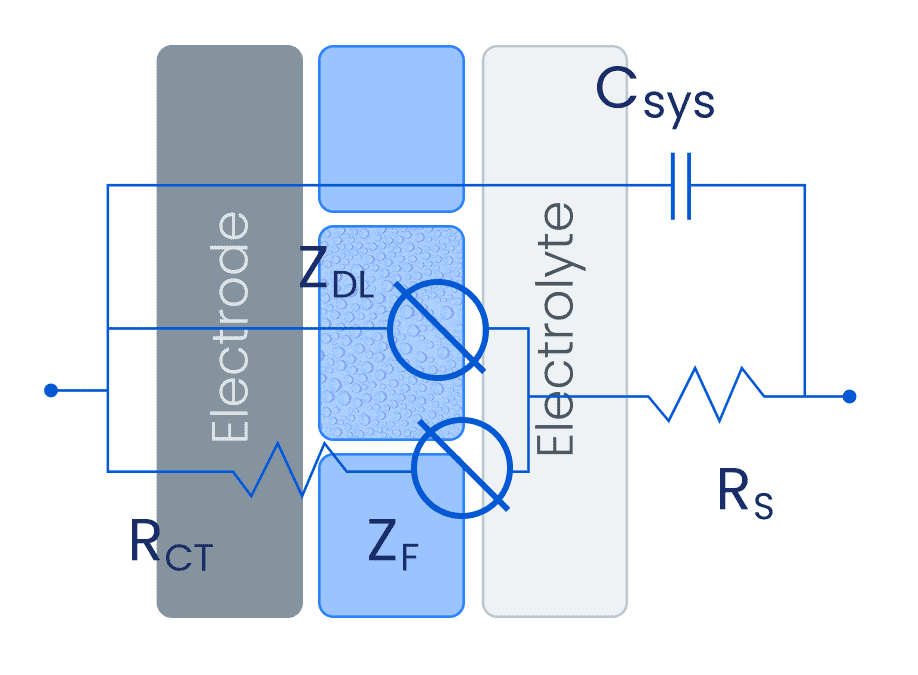
The electrochemical work used rotating-disk-electrode samples in a Gamry cell for impedance and voltammetry measurements. Focused-ion-beam cross sections were then examined by STEM/EDS to map the electroactive species and the position of the gold particles after crystal formation.
2. Proposed nucleation mechanism
In the tested lead and sulfuric-acid system, the authors observed lead sulfate crystals in the 125-300 nm range when gold particles were present. They propose that the added particles act as pre-existing nucleation sites. More sites consume the available supersaturation across a larger crystal population, limiting individual crystal growth and producing a more porous electroactive layer at the grid interface.
The paper connects this mechanism to PCL1, a lead-acid battery failure mode associated with the antimony-free effect. Historically, tin, silver, or phosphoric acid have been used to reduce this failure mode. The gold-particle approach is presented as a possible adjunct or alternative that warrants further study in both electrolyte and paste.
3. Classical nucleation theory
The paper begins with the classical Gibbs free-energy expression for formation of a spherical crystal:
At very small radius, the surface-energy term produces a positive free-energy barrier. Differentiating equation (1) and setting the result to zero gives the reported critical radius:
The paper argues that choosing a gold-particle radius near the critical radius lowers the barrier associated with forming a critical nucleus and reduces reliance on stochastic monomer collisions. It expresses the steady-state condensation rate as:
These equations describe the mechanism proposed in the paper; the fitted parameters and derivation context should be read in the source document.
4. Figures
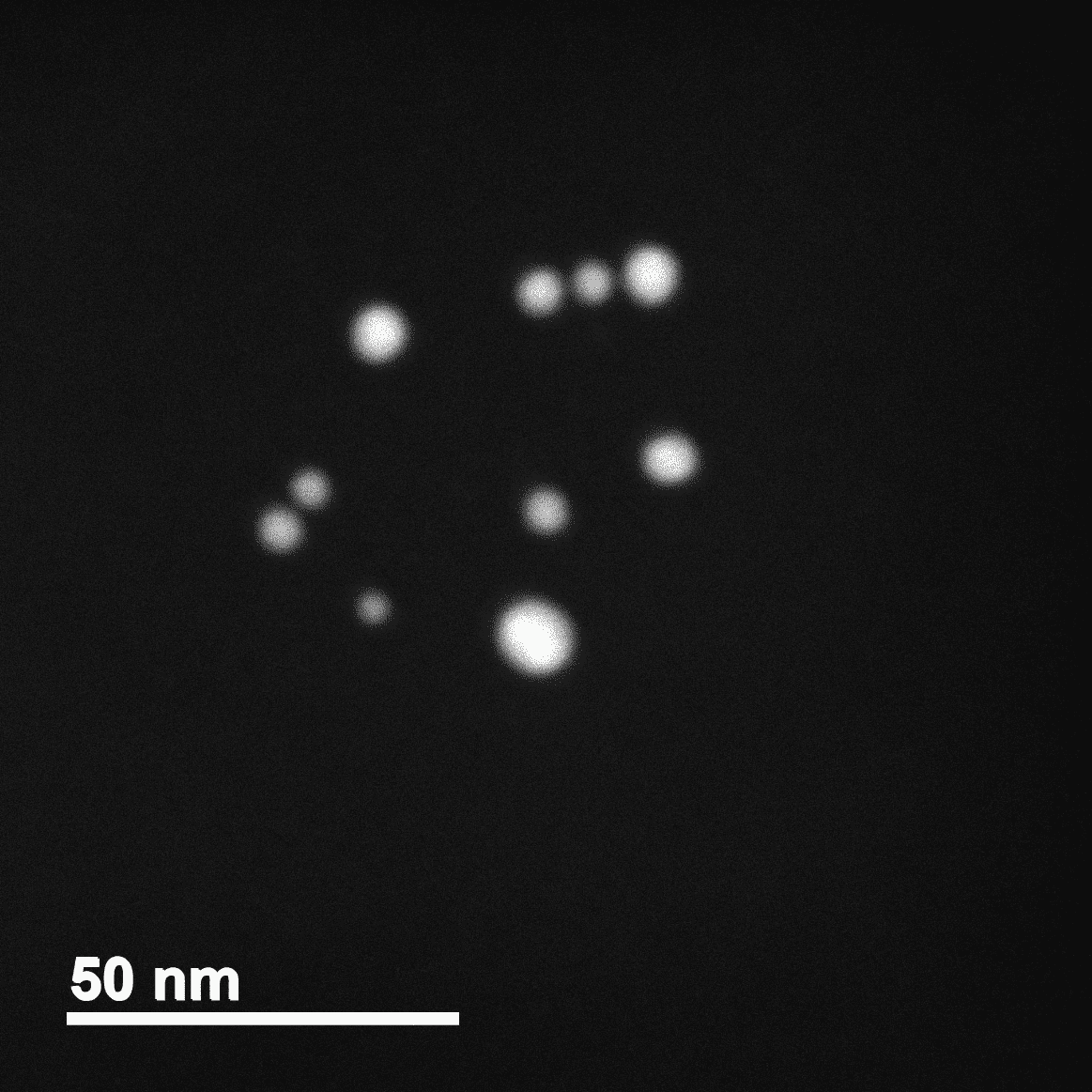
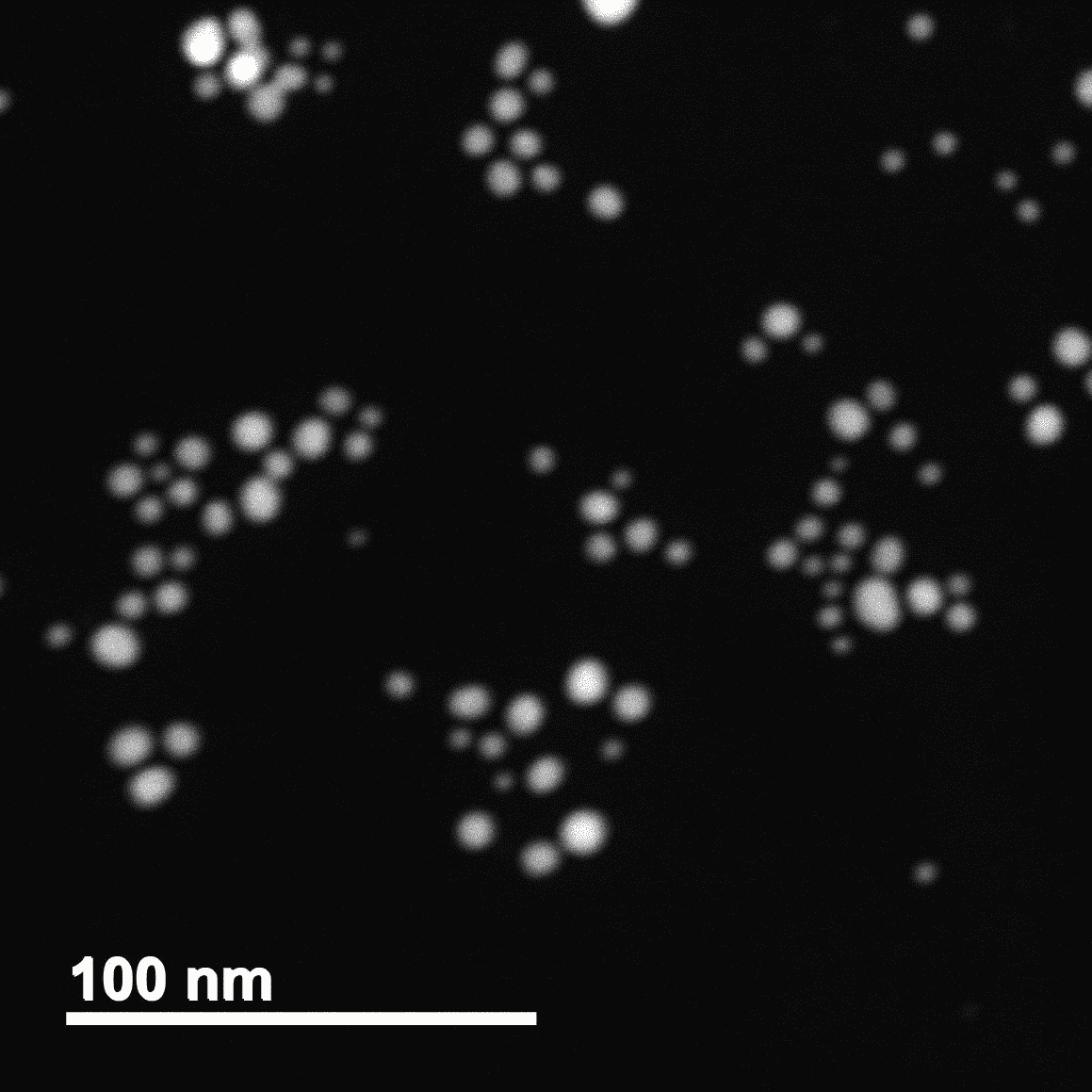
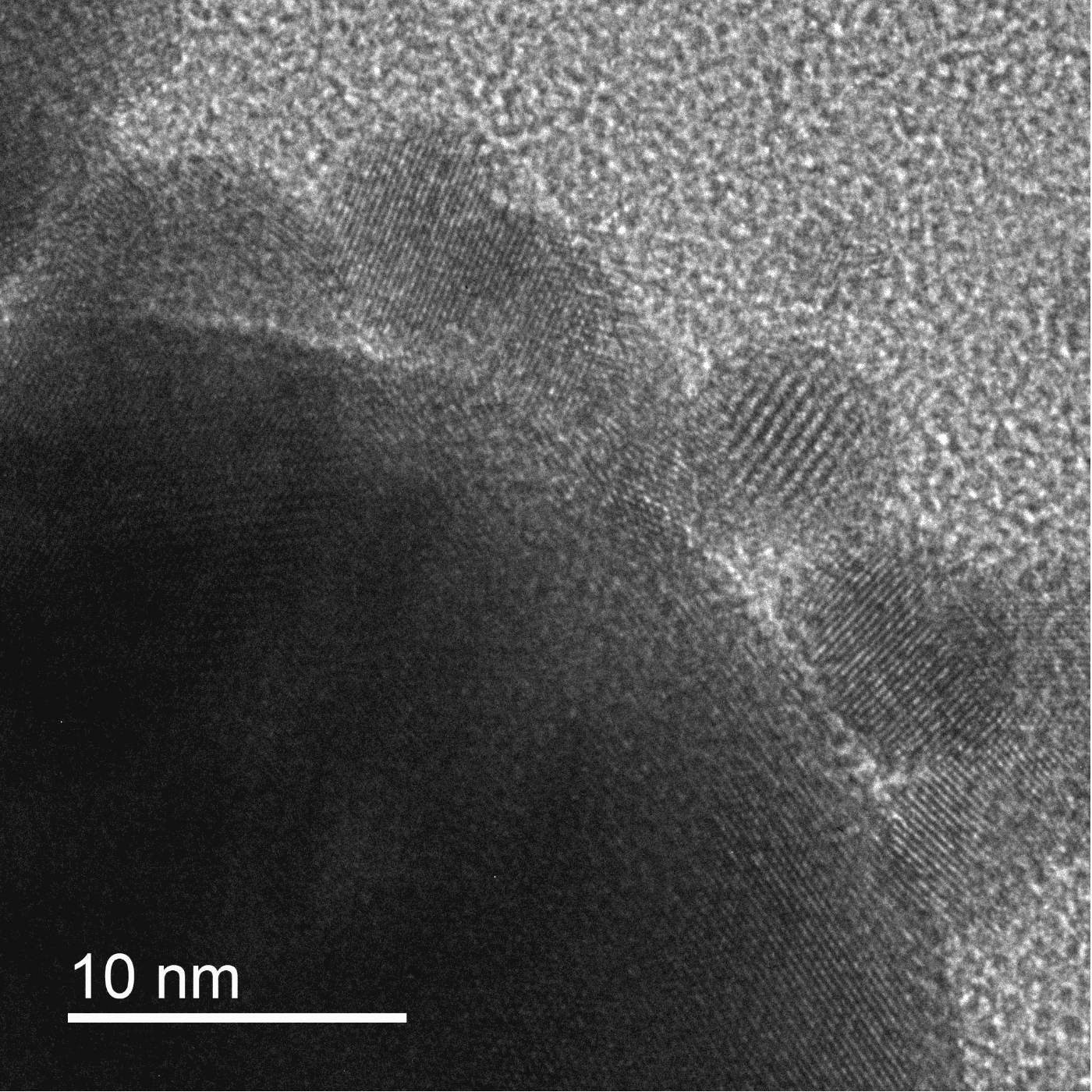
5. Effective-capacitance results
Table 1. EIS effective capacitance of the electroactive-species reactance, with and without gold particles.
| Sulfation condition | Control effective capacitance | 1 ppm gold-particle condition | Reported increase |
|---|---|---|---|
| Mixed, invariant | 45 µF | 60 µF | 33% |
| Porous, 0 hours | 17 µF | 21 µF | 24% |
| Porous, 2 hours | 34 µF | 151 µF | 344% |
| Porous, 5 hours | 76 µF | 608 µF | 700% |
6. Conclusions
The authors conclude that gold particles 10 nm and smaller increased the available nucleation sites at the grid-active-material interface. Under the reported test conditions, this produced smaller and more numerous lead sulfate crystals, a more porous interface layer, and a higher effective capacitance. STEM/EDS imaging supported the proposed mechanism by locating gold within the crystal layer.
The results are mechanistic and laboratory-scale. Commercial performance, durability, manufacturing economics, and full-cell lifetime require additional validation beyond the experiments reported here.
Reference
- D. Pavlov, Lead-Acid Batteries: Science and Technology, 1st edition, Elsevier, 2011, pp. 15 and 179.